How to reunite safely after a flood evacuation
Reconnect safely after flood evacuation: confirm status, follow official routes, avoid floodwater, meet at an approved shelter, and conserve phone power.
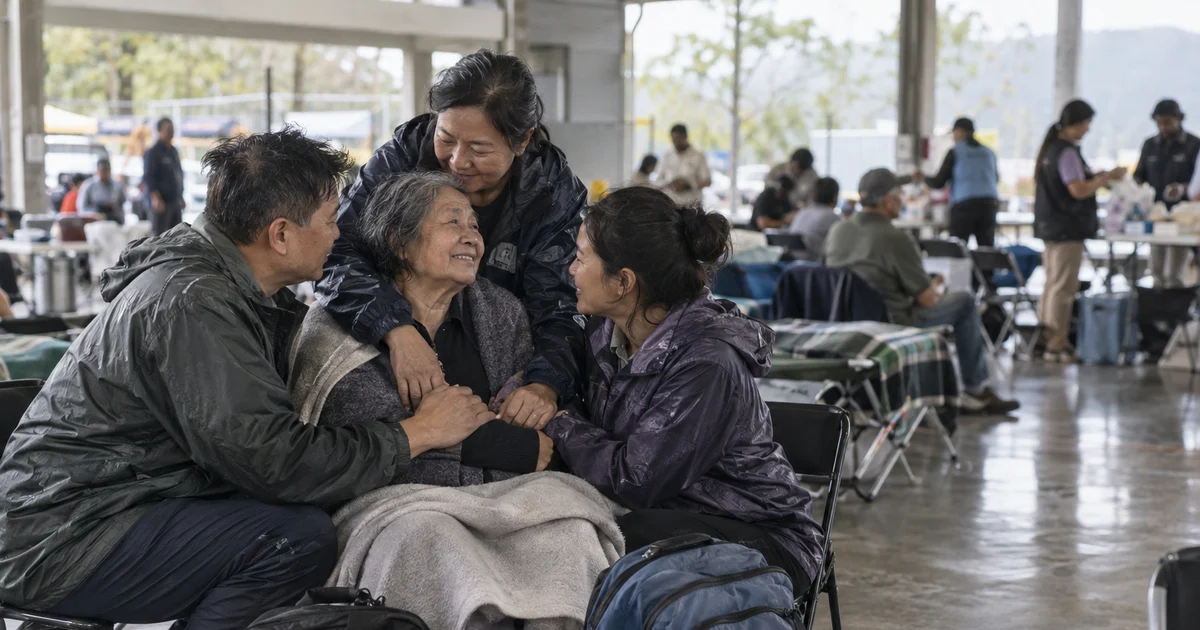
When a family is separated during a flood evacuation, the urge to move toward one another can be powerful. It can also put more people in danger.
The safest reunion does not begin with everyone traveling to the same pin. It begins with each person following official instructions to the nearest safe location, then sharing a concise status through the family’s agreed communication chain.
Safety comes before the reunion
If authorities direct you to evacuate, leave using the approved route. If you are already in a safe official shelter, school, community hall, or other high-ground location, do not leave simply because another family member is somewhere else.
Floodwater can hide open drains, damaged roads, sharp debris, contamination, and live electrical hazards. The American Red Cross flood guidance says never to walk, swim, or drive through floodwater and to wait for officials to say it is safe before returning home. PAGASA likewise advises moving to a safe area before access is cut off and avoiding water-covered roads, bridges, and unnecessary exposure.
Do not attempt an improvised rescue. If somebody is missing, injured, trapped, or in immediate danger, contact the responsible emergency service, evacuation-center staff, barangay, or local disaster authority and provide the best verified information you have.
Send one useful status message
Networks may be slow and batteries may be limited. Send a short message to the family’s designated coordinator:
SAFE - Ana and two children - Riverside High evacuation center, main hall - 2:05 p.m. - battery 42%
Include:
- Names of the people with you
- The official or recognizable safe location
- The time of the update
- Any urgent medical or accessibility need
- Battery level and whether you can receive messages
Avoid a long stream of partial updates. The coordinator should maintain one current list: safe and located, safe but separated, needs assistance, or status unknown. “Unknown” means there is not enough information; it does not confirm that a person is in danger.
The U.S. State Department’s crisis and evacuation guidance similarly recommends using text messages, messaging apps, or social media to tell family and friends that you are safe during an emergency. Follow the communication methods recommended by authorities where you are.
Reunite at an approved location
Use the official evacuation center or another safe location confirmed by local authorities. Name the building, entrance, floor, and registration or information desk. A school may contain several halls; “at the school” can still leave relatives searching in the rain.
Before anyone moves, confirm all of the following:
- Authorities permit travel on the route.
- The destination is open and accepting evacuees.
- The person moving has safe transport and enough battery or written directions.
- A named relative will remain at the destination.
- The family has a fallback if access changes.
If those conditions are not met, remain safe and continue status updates. Being apart at two safe centers is better than meeting on an unsafe road.
Make vulnerable family members easy to support
Tell shelter staff about children, older adults, disabilities, pregnancy, essential medication, or powered medical equipment. Do not publish those details in a broad public post.
Keep children with their responsible adult and use the shelter’s registration or reunification process. A child’s photo or personal details should only be shared through appropriate official channels when genuinely needed.
For an older relative, describe practical needs rather than simply saying they are “okay”: medication remaining, mobility assistance, dry clothing, food, or a charging point. This helps the coordinator decide what support to request without sending family members into unsafe conditions.
Use Nearby only after people reach safety
If family members are safe, the evacuation center permits movement, and mobile data is available, Nearby may help invited relatives find the correct entrance or hall. One person can start a temporary meetup on Android and send the link. Others can join in the app or a mobile browser, including on iPhone, and choose whether to share their position.
Use the pin only on the approved safe location. Keep messages short and factual. Stop the meetup once everyone has found the correct area so phones can conserve battery.
Nearby cannot identify flood depth, choose an evacuation route, locate a phone without service, confirm that a person is safe, or summon rescue. It is not a missing-person system or substitute for shelter registration and direct contact with authorities. A map estimate should never be used as permission to cross a closed or flooded route.
Do not rush the return home
Reunion is not the end of the emergency. Continue following official updates and remain at the safe location until authorities provide further instructions.
Ready.gov’s flood guidance says to return only when authorities say it is safe. The CDC warns that floodwater may contain sewage, chemicals, and sharp hazards, while wet electrical equipment and mold can add danger during cleanup. Children should not be taken back merely to inspect damage.
Record who is together, who remains at another safe center, and when the next check-in will happen. Rest, recharge, replace wet clothing, and ask official staff about medication, food, transport, or accommodation needs.
The goal is not the fastest reunion photograph. It is for every family member to arrive without creating a second emergency along the way.
When everyone is already safe, Nearby can help invited relatives find the same approved entrance or hall - not replace official flood guidance.
Common questions
What should families do first when separated during a flood evacuation?
Each person should follow local authorities to safety, then send a short status message with their name, safe location, companions, time, and battery level to the family's designated coordinator.
Should relatives travel through floodwater to reunite sooner?
No. Never walk, swim, or drive through floodwater. Stay at a safe approved location and wait for official route information or assistance rather than creating another emergency.
Can Nearby locate a missing person during a flood?
No. Nearby is not a rescue or missing-person system, and location may be unavailable or inaccurate. Contact emergency services and local authorities when someone may be in danger.