A safer after-dark meetup plan for friends
Make an after-dark meetup safety plan with a well-lit public landmark, a route home, simple arrival updates, and consent-based sharing.
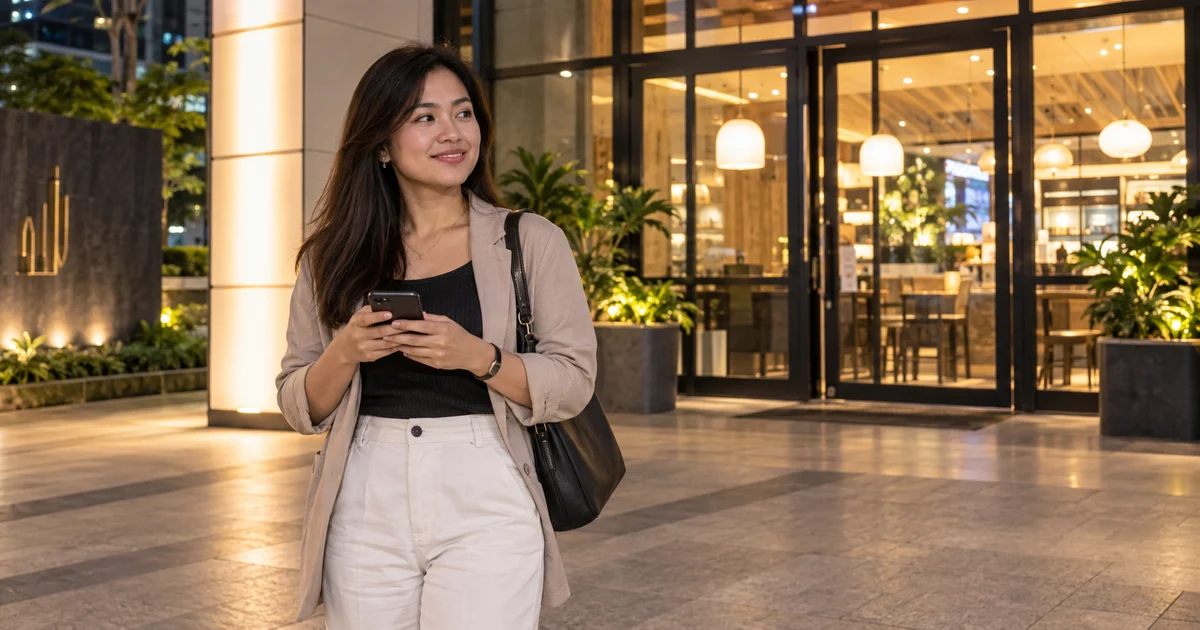
Meeting friends after dark can be relaxed and spontaneous without leaving the important details to chance. The best plan is often short: choose a bright public landmark, decide how everyone will travel home, and agree on what to say if somebody is delayed.
An after-dark meetup safety plan is not about treating every night out as dangerous. It removes small uncertainties before they become stressful - especially when one person arrives early, a venue has several entrances, or the return journey runs less often at night.
Choose the waiting place, not just the destination
“Meet at the mall” is not a meeting point. A large building may have several exits, pickup lanes, and floors. Select one exact landmark that remains easy to see after dark, such as “inside the east entrance beside the staffed reception desk.”
Prefer a place that is:
- Busy and well lit
- Open for the full waiting period
- Near staff, security, or a customer-service desk
- Away from traffic lanes and isolated parking areas
- Accessible to every member of the group
This matches practical advice from the Seattle Police Department, which recommends well-lit routes at night and avoiding isolated areas such as alleys, parks, and parking lots. Police Scotland’s night-out guidance also recommends meeting unfamiliar people in busy public places and telling someone about the plan.
If the entrance becomes quiet or closes, move inside an open business or near staff, then tell the group the new exact landmark. Do not continue waiting alone simply to preserve the original plan.
Plan the journey home before leaving
Check the last train, bus, or ferry before the meetup begins. Save the official timetable, confirm the legitimate pickup area, and keep enough battery and a suitable payment method for the trip. Agree on a backup if the final service is cancelled or a ride falls through.
If friends are sharing a ride, decide who will confirm the vehicle and where the pickup happens. Use licensed or reputable transport providers. Do not enter an unverified vehicle because it happens to stop near the group.
The plan should respect different boundaries. One friend may prefer to wait indoors for a booked ride; another may take public transport from a staffed terminal. Nobody should be pressured to walk an unfamiliar shortcut, reveal a home address, or stay later than planned.
Use the phone deliberately
A charged phone can support the plan, but staring at it while walking reduces awareness. Check directions before leaving the bright public area, put the phone away while crossing roads or moving through a busy space, and stop somewhere safe if the route needs another look. Seattle’s safety guidance similarly advises putting a phone away when it is not needed.
Short updates work better than a stream of vague messages:
- “At the east entrance beside reception.”
- “Train delayed ten minutes; I am staying inside the staffed station.”
- “In the verified ride now; I will message when home.”
If somebody does not answer, first consider ordinary causes such as poor signal or a flat battery. Call them, check the agreed fallback point, and contact the venue or a trusted person when appropriate. If there is evidence of an immediate emergency, contact the relevant local service; do not wait for an app marker to move.
Keep location sharing temporary and purposeful
When invited friends are approaching the same public landmark, Nearby can place the meeting point, optional live locations, arrival estimates, and group chat on one shared map. One Android user starts the meetup and sends an invitation link. Participants can join from the app or a browser, including on iPhone, and each person chooses whether to share.
Share only for the meetup window, and use the public venue - not a private home - as the pin when possible. Location sharing should help answer “Are we at the same entrance?” It should not become a reason to monitor a friend after the plan ends.
Nearby cannot verify strangers, watch the surroundings, confirm a vehicle, or summon assistance. GPS may drift around tall buildings or indoors, while weak data and low battery can make a position look stale. Treat the map as a coordination aid, not proof that someone is safe.
Leave when the situation no longer feels right
Plans can change. If a person, place, or route makes you uncomfortable, move toward staff, an open business, or a busy well-lit area. Tell a trusted person what changed. You do not owe the group a long explanation before taking a safer option.
A good meetup ends well because the group planned the last part, too. One clear landmark, one realistic way home, and a few purposeful updates let the phone support the evening without taking over it.
Use Nearby for temporary coordination with people you invited - not as a personal safety service.
Common questions
What makes a better meeting point after dark?
Choose a specific, busy, well-lit public place with staff nearby, such as an entrance beside a reception desk or an open cafe. Avoid isolated shortcuts and vague curbside locations.
When should friends plan their journey home?
Before the meetup starts. Check the last public transport service, pickup area, fare or payment method, and a backup option so nobody has to solve the trip home while tired.
Is Nearby a personal safety or emergency app?
No. Nearby is for temporary, consent-based coordination among invited people. It cannot guarantee a person's safety or replace venue staff, transport operators, trusted contacts, or emergency services.